An Analysis of the IBC Amendments: From Corporate Rescue to Creditor Recovery
The Insolvency and Bankruptcy Code (IBC) of 2016 was heralded as a landmark piece of legislation. Its primary objective was to facilitate the revival of financially distressed companies, not to simply liquidate them. The law aimed to create a time-bound, efficient mechanism for corporate resolution, thereby preserving jobs, protecting the interests of all stakeholders, and maintaining the company as a "going concern." This core philosophy was to be a significant departure from previous laws that often led to the prolonged winding up of companies.
The Su-Kam Case: A Mirror to the IBC's Challenges
The insolvency case of Su-Kam Power Systems, a once-pioneering company in the power solutions industry, serves as a powerful example of the practical difficulties faced under the current IBC framework. Despite its well-known brand and a large dealer network, Su-Kam's Corporate Insolvency Resolution Process (CIRP) failed. After a series of legal battles and a lack of a viable resolution plan, the company was pushed into liquidation. This outcome resulted in a fire sale of assets, with creditors recovering only a fraction of their dues.
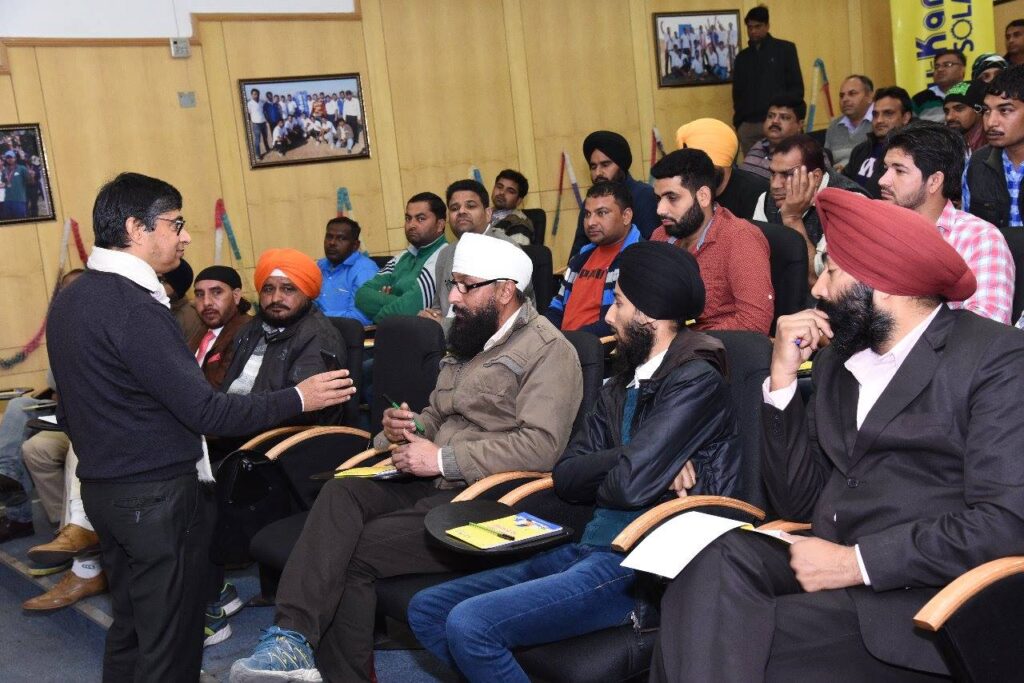
The case highlighted the very issues the new Bill seeks to address, but arguably with a shift in its core philosophy. The protracted process and the eventual liquidation of a potentially salvageable company demonstrated a key failing: when resolution fails, the path to liquidation seems almost inevitable and often less beneficial for all involved.
A New Bill, A New Philosophy?
The proposed amendments, as summarized in the document you provided, introduce significant changes. While these changes are intended to streamline the process, they appear to shift the fundamental objective of the IBC from corporate rescue to maximizing creditor recovery and, in a sense, punishing the promoters.
- Mandatory Admission and Faster Liquidation: The new Bill proposes that the National Company Law Tribunal (NCLT) "shall" admit an insolvency application if debt and default are established, removing the current discretionary power of "may." This change, coupled with the shortened liquidation timeline of 180 days (with a 90-day extension), accelerates the process. While this is aimed at efficiency, it could force companies into formal insolvency proceedings even when a private settlement might be possible. The Su-Kam case, with its long and difficult resolution attempt, shows that a rigid, fast-tracked process might not always lead to a better outcome. It could simply expedite the journey to liquidation.
- Empowering the Committee of Creditors (CoC) in Liquidation: The Bill proposes to give the CoC a supervisory role during liquidation, similar to its role in CIRP. It also grants the CoC the power to choose and replace the liquidator and even resolve to dissolve the company directly. This concentration of power in the hands of creditors, who are primarily concerned with recovering their money, further reinforces the notion that the new law prioritizes financial recovery over the preservation of the company itself.
- Promoter Accountability and the "Clean Slate" Principle: The Bill codifies the "clean slate" principle, which protects a new buyer from past liabilities, yet explicitly exempts claims against guarantors and promoters. The Su-Kam case provides a real-world example of this. The founder, Kunwer Sachdev, faced personal insolvency proceedings, which he himself has publicly stated was a devastating blow. While promoter accountability is crucial, this change sends a strong signal that the law is now just as much about holding the past management liable as it is about finding a future for the company. The focus on promoter punishment could deter future entrepreneurs from taking calculated risks.
Conclusion
The proposed amendments to the IBC, while addressing real-world operational challenges, seem to alter the law's foundational ethos. By reducing judicial discretion, shortening timelines, and strengthening the powers of the Committee of Creditors, the new Bill appears to prioritize the quick and efficient recovery of money for creditors. Using the Su-Kam case as a lens, it becomes clear that this shift could make it easier to liquidate a company rather than save it, potentially undermining the original promise of the IBC to be a force for corporate revival and stability.