There are many types of lithium cells in the market, each with advantages and disadvantages.
There are different types of Lithium batteries available in the market nowadays, with variations in terms of chemicals and construction of each type of battery type.
Lithium-ion Battery: A lithium-ion battery is a rechargeable battery that reversibly reduces lithium ions to store energy. The negative electrode of a conventional lithium-ion cell is typically graphite, a form of carbon. The positive electrode is a metal oxide, most commonly cobalt oxide. The electrolyte is a lithium salt dissolved in an organic solvent.
Lithium-ion batteries are used in a wide variety of applications, including:
- Consumer electronics: cell phones, laptops, tablets, cameras, etc.
- Power tools: cordless drills, saws, etc.
- Lithium cobalt oxide (LiCoO2): This is the oldest type of lithium-ion cell and is still widely used in portable electronics such as laptops and smartphones. It has a high energy density but a relatively low cycle life.
A lithium cobalt battery is a type of lithium-ion battery that uses cobalt oxide as the positive electrode material. Cobalt oxide has a high specific energy, meaning it can store much energy in a small space. This makes lithium cobalt batteries ideal for applications where weight and space are important, such as cell phones, laptops, and electric vehicles.
However, cobalt oxide also has some drawbacks. It is a relatively expensive material, and it can be not easy to source. Lithium cobalt batteries have a relatively short lifespan and can be prone to safety issues if not properly managed.
Despite these drawbacks, lithium cobalt batteries are still the most common lithium-ion battery used today. They offer a good balance of performance and cost and are well-suited for various applications.
Lithium cobalt oxide (LiCoO2) cell
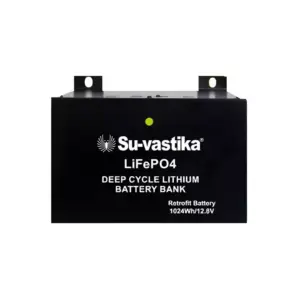
- Lithium nickel manganese cobalt oxide (LiNiMnCoO2): This cell type is becoming increasingly popular due to its higher energy density and longer cycle life than LiCoO2 cells. It is also less expensive.
Lithium nickel manganese cobalt oxide (NMC) is a lithium-ion battery cathode material made of nickel, manganese, and cobalt. It is a popular choice for electric vehicles and other applications requiring a high energy density and long lifespan.
NMC batteries have a higher specific energy than lithium cobalt batteries but have a lower specific power. This means they can store more energy per unit mass but cannot output as much power as lithium cobalt batteries.
NMC batteries are also more expensive than lithium cobalt batteries but are becoming more affordable as technology develops.
The chemical formula for NMC is LiNixMnyCo1-x-yO2, where x, y, and (1-x-y) represent the material's relative nickel, manganese, and cobalt proportions. The most common NMC compositions are NMC111 (1:1:1), NMC532 (5:3:2), and NMC622 (6:2:2).
The specific energy of NMC batteries depends on the composition of the material. NMC111 has a specific energy of about 200 Wh/kg, NMC532 has a specific energy of about 220 Wh/kg, and NMC622 has a specific energy of about 240 Wh/kg.
The lifespan of NMC batteries also depends on the composition of the material. NMC111 has a lifespan of about 1,000 cycles, NMC532 has a lifespan of about 1,500 cycles, and NMC622 has a lifespan of about 2,000 cycles.
NMC batteries are a promising technology for use in electric vehicles and other applications that require a high energy density and long lifespan. However, they are still more expensive than lithium cobalt batteries and have a lower specific power. As the technology develops, NMC batteries are expected to become more affordable and perform better.
Lithium nickel manganese cobalt oxide (LiNiMnCoO2) cell
- Lithium iron phosphate (LiFePO4): This type of cell is known for its safety and long cycle life. It has a lower energy density than other types of lithium-ion cells, but it is still suitable for many applications, such as electric vehicles and solar batteries.
A lithium iron phosphate (LFP) battery is a lithium-ion battery that uses lithium iron phosphate as the cathode material. LFP batteries are known for their high safety, long lifespan, and low cost.
The chemical formula for LFP is LiFePO4. The iron phosphate compound is non-flammable and does not release toxic gases when exposed to heat or fire. This makes LFP batteries a safer choice than other types of lithium-ion batteries, such as lithium cobalt batteries.
LFP batteries also have a long lifespan. They can last up to 5,000 cycles, about five times longer than lithium cobalt batteries. This makes them a good choice for applications where the battery will be used for a long time, such as electric vehicles and solar power storage systems.
LFP batteries are also relatively inexpensive. They are the least expensive lithium-ion battery, making them a good choice for budget-minded consumers.
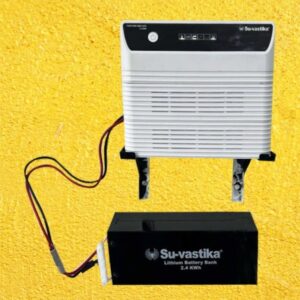
- Lithium iron phosphate (LiFePO4) cell
- Lithium titanate (Li4Ti5O12): This cell type has a very high power density and can be used in applications requiring high currents, such as electric vehicles and power tools. However, it has a low energy density and a relatively short cycle life.
Lithium titanate (Li4Ti5O12), also known as LTO, is a lithium-ion battery anode material. It has several advantages over other anode materials, including:
- High specific energy: LTO is about 120 Wh/kg, higher than graphite, the most common anode material.
- Long lifespan: LTO can last up to 10,000 cycles, much longer than graphite.
- Excellent cycling stability: LTO does not suffer from the capacity fade common in graphite.
- Good high-temperature performance: LTO can operate at temperatures up to 180°C, which makes it a good choice for applications where the battery will be exposed to high temperatures.
- Safe and non-flammable: LTO is not flammable and does not release toxic gases when exposed to heat or fire.
However, LTO also has some disadvantages, including:
- Low specific power: LTO has a lower specific power than graphite, which means it cannot output as much power as graphite.
- High cost: LTO is more expensive than graphite.
Overall, lithium titanate is a promising anode material for lithium-ion batteries. It offers a good balance of performance and cost, and it is well-suited for applications where high specific energy, long lifespan, and safety are important considerations.
Lithium titanate (Li4Ti5O12) cell
- Lithium polymer: This cell type is made with a polymer electrolyte instead of a liquid electrolyte. This makes it more flexible and lightweight than other types of lithium-ion cells. However, it has a lower energy density and a shorter cycle life.
A lithium polymer battery is a type of lithium-ion battery that uses a polymer electrolyte instead of a liquid electrolyte. The polymer electrolyte is a solid material of polymer chains embedded with lithium ions.
Lithium polymer batteries have several advantages over traditional lithium-ion batteries, including:
- Higher energy density: Lithium polymer batteries can store more energy per unit volume than traditional lithium-ion batteries. This makes them a good choice for applications where weight and space are important, such as laptops and smartphones.
- Lighter weight: Lithium polymer batteries are lighter than traditional lithium-ion batteries. This makes them a good choice for applications where weight is a major concern, such as wearable devices and drones.
- More flexible: Lithium polymer batteries can be moulded into different shapes, making them a good choice for applications where the battery needs to fit into a specific space.
- Safer: Lithium polymer batteries are less likely to leak or catch fire than traditional lithium-ion batteries.
However, lithium polymer batteries also have some disadvantages, including:
- Higher cost: Lithium polymer batteries are more expensive than traditional lithium-ion batteries.
- Less mature technology: Lithium polymer batteries are a newer technology than traditional lithium-ion batteries, so they are not as widely available, and their performance is not as well-established.
- More sensitive to temperature: Lithium polymer batteries are more sensitive to temperature than traditional lithium-ion batteries. They should not be exposed to extreme temperatures, which can damage the battery.
Lithium polymer cell
Lithium Air battery:
A lithium-air battery is a type of metal-air battery that uses lithium metal as the anode and oxygen from the air as the cathode. It can potentially be a much more energy-dense battery than traditional lithium-ion batteries, with a theoretical specific energy of up to 11,140 Wh/kg.
However, lithium-air batteries also have some challenges that must be addressed before being commercially viable. One challenge is that lithium metal is very reactive and can easily form dendrites, which can short-circuit the battery. Another challenge is that the electrolyte in a lithium-air battery must be able to conduct lithium and oxygen ions. Still, it must also be stable and prevent the formation of dendrites.
Researchers are developing new electrolytes and designs for lithium-air batteries that can overcome these challenges. If these challenges can be addressed, lithium-air batteries could revolutionize the battery industry and make it possible to create electric vehicles with much longer ranges.
Here are some of the advantages of lithium-air batteries:
- High energy density: Lithium-air batteries have the potential to be much more energy-dense than traditional lithium-ion batteries. This means they could store more energy per unit weight or volume, benefiting applications such as electric vehicles and drones.
- Low cost: Lithium is a relatively abundant element, which could make lithium-air batteries more affordable than other types of batteries.
- Environmentally friendly: Lithium-air batteries do not use toxic materials, making them a more environmentally friendly option than other types of batteries.
Here are some of the challenges of lithium-air batteries:
- Safety: Lithium metal is very reactive and can easily form dendrites, which can short-circuit the battery. This can be a safety hazard.
- Electrolyte stability: The electrolyte in a lithium-air battery must be able to conduct lithium ions and oxygen ions, but it must also be stable and prevent the formation of dendrites. This is a challenge that researchers are still working to overcome.
- Cycle life: Lithium-air batteries have a relatively short cycle life, so they can only be recharged a few times before degrade. This is another challenge that researchers are working to overcome.
Overall, lithium-air batteries have the potential to be a breakthrough in the battery industry. However, some challenges still need to be addressed before they can be commercially viable.
Lithium Sulpur battery:
A lithium–sulfur (Li–S) battery is a rechargeable battery that uses lithium as the anode and sulfur as the cathode. It can potentially be a much more energy-dense battery than traditional lithium-ion batteries, with a theoretical specific energy of up to 2600 Wh/kg.
However, lithium–sulfur batteries also have some challenges that must be addressed before being commercially viable. One challenge is that sulfur is a relatively poor conductor of electricity, making it difficult to achieve a high power output. Another challenge is that sulfur can react with the electrolyte in the battery, forming polysulfide intermediates that can damage the battery.
Researchers are developing new electrolytes and designs for lithium–sulfur batteries that can overcome these challenges. If these challenges can be addressed, lithium–sulfur batteries could revolutionize the battery industry and make it possible to create electric vehicles with much longer ranges.
Here are some of the advantages of lithium-sulfur batteries:
- High energy density: Lithium–sulfur batteries have the potential to be much more energy-dense than traditional lithium-ion batteries. This means they could store more energy per unit weight or volume, benefiting applications such as electric vehicles and drones.
- Low cost: Lithium is a relatively abundant element, and sulfur is a relatively inexpensive material, which could make lithium–sulfur batteries more affordable than other types of batteries.
- Environmentally friendly: Lithium–sulfur batteries do not use any toxic materials, which makes them a more environmentally friendly option than other types of batteries.
Here are some of the challenges of lithium-sulfur batteries:
- Poor conductivity of sulfur: Sulfur is a relatively poor conductor of electricity, making it difficult to achieve a high power output.
- Reactivity of sulfur: Sulfur can react with the electrolyte in the battery, which can lead to the formation of polysulfide intermediates that can damage the battery.
- Low cycle life: Lithium–sulfur batteries have a relatively low cycle life, which means they can only be recharged a limited number of times before they start to degrade.
Overall, lithium–sulfur batteries have the potential to be a breakthrough in the battery industry. However, some challenges still need to be addressed before they can be commercially viable.
Lithium-ion flow battery :
A lithium-ion flow battery (LIBF) is a type of flow battery that uses lithium ions as the charge carrier. The electrolyte in a LIBF is a liquid solution of lithium salts, and the electrodes are made of porous materials capable of storing lithium ions.
LIBFs have several advantages over other types of flow batteries, including:
- High energy density: LIBFs can store more energy per unit volume than other types of flow batteries. This makes them a good choice for applications where weight and space are important, such as electric vehicles and grid energy storage.
- Long lifespan: LIBFs can last for thousands of cycles, much longer than other types of flow batteries.
- Scalability: LIBFs can be scaled up to store large amounts of energy. This makes them a good choice for applications such as grid energy storage.
- Low maintenance: LIBFs require very little maintenance. This makes them a good choice for applications where maintenance is difficult or expensive.
However, LIBFs also have some disadvantages, including:
- High cost: LIBFs are more expensive than other types of flow batteries.
- Toxic materials: The electrolyte in a LIBF contains toxic materials, which can be a safety hazard.
- Slow charging: LIBFs have a slow charging speed, which can be a limitation for some applications.
Overall, LIBFs are a promising technology for energy storage. They offer a good balance of performance, cost, and safety. However, some challenges still need to be addressed before they can be commercially viable.
Lithium Silicon Battery :
A lithium-silicon battery is a type of lithium-ion battery that uses silicon as the anode material. Silicon has a much higher theoretical specific capacity than graphite, lithium-ion batteries' most common anode material. Lithium silicon batteries can store more energy per unit weight or volume.
However, silicon also has some drawbacks. It is a very reactive material that can swell and shrink as it is cycled, damaging the battery. Researchers are developing new silicon anode materials and battery designs to overcome these challenges.
Here are some of the advantages of lithium silicon batteries:
- High energy density: Lithium silicon batteries have the potential to be much more energy-dense than traditional lithium-ion batteries. This means they could store more energy per unit weight or volume, benefiting applications such as electric vehicles and drones.
- Low cost: Silicon is a relatively abundant element, which could make lithium silicon batteries more affordable than other types of batteries.
- Environmentally friendly: Lithium silicon batteries do not use toxic materials, making them a more environmentally friendly option than other types of batteries.
Here are some of the challenges of lithium silicon batteries:
- Reactivity of silicon: Silicon is a very reactive material, and it can swell and shrink as it is cycled, which can damage the battery.
- Cycle life: Lithium silicon batteries have a relatively short cycle life, so they can only be recharged a few times before degrade.
- Poor conductivity of silicon: Silicon is a relatively poor conductor of electricity, making it difficult to achieve a high power output.
Overall, lithium silicon batteries have the potential to be a breakthrough in the battery industry. However, some challenges still need to be addressed before they can be commercially viable.
Thin Film Lithium Battery :
A thin-film lithium battery is a type of battery that uses thin films of materials to make the electrodes and electrolytes. This makes the battery much thinner and lighter than traditional lithium-ion batteries.
Thin-film lithium batteries have several advantages over traditional lithium-ion batteries, including:
- Thinness and lightness: Thin-film lithium batteries are much thinner and lighter than traditional lithium-ion batteries. This makes them a good choice for applications where weight and space are important, such as wearable devices and drones.
- Flexibility: Thin-film lithium batteries can be made in flexible sheets, making them a good choice for applications where the battery must conform to a specific shape, such as wearable devices and flexible electronics.
- Scalability: Thin-film lithium batteries can be scaled up to produce large batteries for applications such as grid energy storage.
However, thin-film lithium batteries also have some challenges that need to be addressed before they can be commercially viable, including:
- Low energy density: Thin-film lithium batteries have a lower energy density than traditional lithium-ion batteries. This means they can store less energy per unit volume.
- High cost: Thin-film lithium batteries are more expensive to manufacture than traditional lithium-ion batteries.
- Low cycle life: Thin-film lithium batteries have a lower cycle life than traditional lithium-ion batteries. This means they can only be recharged a limited number of times before they start to degrade.
Overall, thin-film lithium batteries are a promising technology for energy storage. They offer many advantages over traditional lithium-ion batteries, but they also have some challenges that must be addressed before they can be commercially viable.
Here are some of the applications where thin-film lithium batteries are being considered:
- Wearable devices
- Drones
- Flexible electronics
- Grid energy storage
- Medical devices
- Military applications
Lithium Hybrid Organic battery
A lithium hybrid organic battery (LHO battery) is a type of rechargeable battery that combines lithium-ion batteries with organic polymers. Organic polymers are used as the electrolyte, and they can improve the battery's performance in several ways.
LHO batteries have several advantages over traditional lithium-ion batteries, including:
- High energy density: LHO batteries have a higher energy density than traditional lithium-ion batteries. This means they can store more energy per unit weight or volume.
- Long cycle life: LHO batteries have a longer life than traditional lithium-ion batteries. This means they can be recharged many times before they degrade.
- Safety: LHO batteries are safer than traditional lithium-ion batteries. This is because the organic polymers are less flammable than the liquid electrolytes used in traditional lithium-ion batteries.
However, LHO batteries also have some challenges that need to be addressed before they can be commercially viable, including:
- High cost: LHO batteries are more expensive to manufacture than traditional lithium-ion batteries.
- Low power density: LHO batteries have a lower power density than traditional lithium-ion batteries. This means they cannot output as much power as traditional lithium-ion batteries.
- Low conductivity: The organic polymers used in LHO batteries are not as conductive as the liquid electrolytes used in traditional lithium-ion batteries. This can limit the performance of the battery.
Overall, LHO batteries are a promising technology for energy storage. They offer several advantages over traditional lithium-ion batteries, but they also have some challenges that must be addressed before they can be commercially viable.
Lithium tetrachloroaluminate Battery (LiAlCl4) :
It is a white, hygroscopic, crystalline solid. It is a salt of lithium and aluminium chloride. It is soluble in water and ethanol.
Lithium tetrachloroaluminate is a strong Lewis acid and can react with water to release hydrogen chloride gas. It is also a strong oxidizing agent and can react with organic materials to produce fire or explosion.
Lithium tetrachloroaluminate is used in a variety of applications, including:
- As a catalyst in organic synthesis
- As a reagent in analytical chemistry
- As a precursor to other lithium compounds
- In the production of solar cells
- In the production of batteries
Lithium tetrachloroaluminate is a hazardous material and should be handled with care. It should be stored in a cool, dry place and kept away from water and organic materials.
Here are some of the safety precautions that should be taken when handling lithium tetrachloroaluminate:
- Wear gloves, goggles, and a lab coat when handling lithium tetrachloroaluminate.
- Avoid contact with water and organic materials.
- Store lithium tetrachloroaluminate in a cool, dry place.
- Dispose of lithium tetrachloroaluminate properly.
If exposed to lithium tetrachloroaluminate, immediately flush the affected area with water for at least 15 minutes and seek medical attention.
All kinds of Lithium batteries have different types of cell specifications that need to be checked before using them so that BMS can be selected for them.https://suvastika.com/how-to-check-the-lithium-battery-cell-specifications/?preview_id=13142&preview_nonce=6186326a45&post_format=standard&_thumbnail_id=6430&preview=true
The best type of lithium cell for a particular application will depend on the specific requirements of that application. For example, if the application requires a high energy density, then a LiCoO2 cell may be the best choice. If the application requires a long cycle life and safety point of view, then a LiFePO4 cell may be the better option.